




Transactional Emails vs. Marketing Emails: What Seed Got Wrong (& How You Can Do Better)
As creative entrepreneurs and small business owners, we send a lot of emails.
But do you know the difference between marketing emails vs. transactional emails — and how to tailor your message to the situation at hand?
Hopefully. Because if you mix up these two main types of business emails, you risk confusing your customers, burying critical info, and eroding trust in your brand.
In this post, we’ll break down the difference between transactional and marketing emails, share real-world examples of each, and walk through three transactional email best practices.
Let’s start with a story about my baffling experience with a brand I actually love.
Table of Contents
- The Confusing Email That Started It All
- Transactional Email vs. Marketing Email: What’s the Difference?
- 3 Best Practices for Writing Marketing vs. Transactional Emails

The Confusing Email That Started It All
Last week, I got an email from my supplement company that baffled me.
I hate to knock the brand, because normally, I love Seed’s marketing. (And products. If you’re looking to boost your gut health, you can — as you’ll see below — ************@***il.com” target=”_blank” rel=”noreferrer noopener nofollow”>get $25 off your subscription with my code.)
But this email wasn’t marketing. Or was it…?
Here’s the full email for reference:
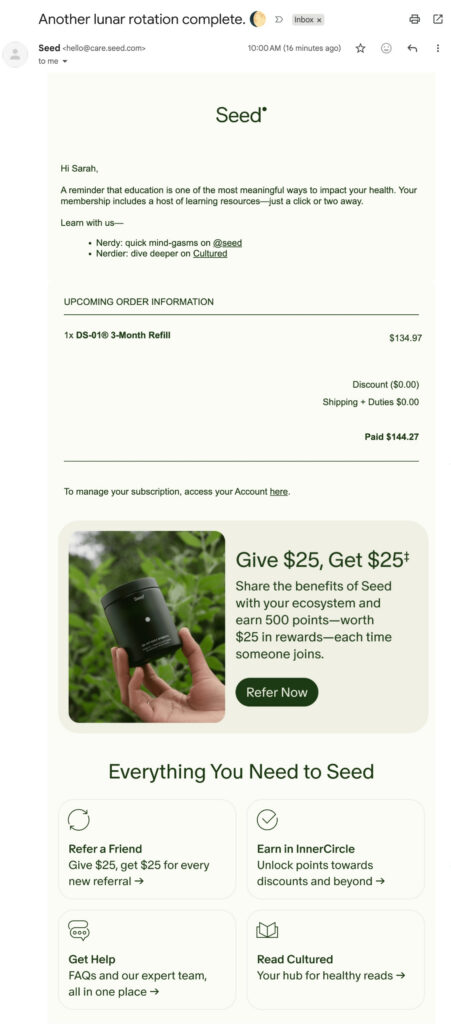
Come along my journey of confusion to see what NOT to do when sending transactional emails to your customers…
I see the email hit my inbox. I almost don’t open it, because the subject line (“Another lunar rotation complete. 🌔”) is so obscure.
Once I do, I’m more confused than ever.
The intro text talks vaguely about the importance of education, linking to Seed’s Instagram and blog.
Then, there’s information about my upcoming order. But when is that order? Am I about to be charged?
To find out, I have to click an account link, log in, and navigate to my subscriptions page to learn that I will, indeed, be billed today.
Even once I postpone my shipment, it says I’ll still be billed today. That’s frustrating — not because of the charge, but because I hadn’t received any “upcoming order” emails (or any emails at all) in over a month. Since this subscription bills every three months, a simple heads-up would have been nice.
Back in the email, I see the rest of the content is a cluster of CTAs: not one, but two referral boxes, a rewards section, and more links to educational resources.
What, actually, is the point of this email?
After far more analysis than any subscription renewal should require, I pieced it together: this was a transactional email letting me know my subscription was renewing.
Not only was that not clear, but the message was completely muddied by unrelated content.
Your business can do better.
Transactional Email vs. Marketing Email: What’s the Difference?
Before we dig into the lessons from this little Seed story, let’s define our terms.
A lot of small business owners don’t know there’s a big difference between transactional emails vs. marketing emails…
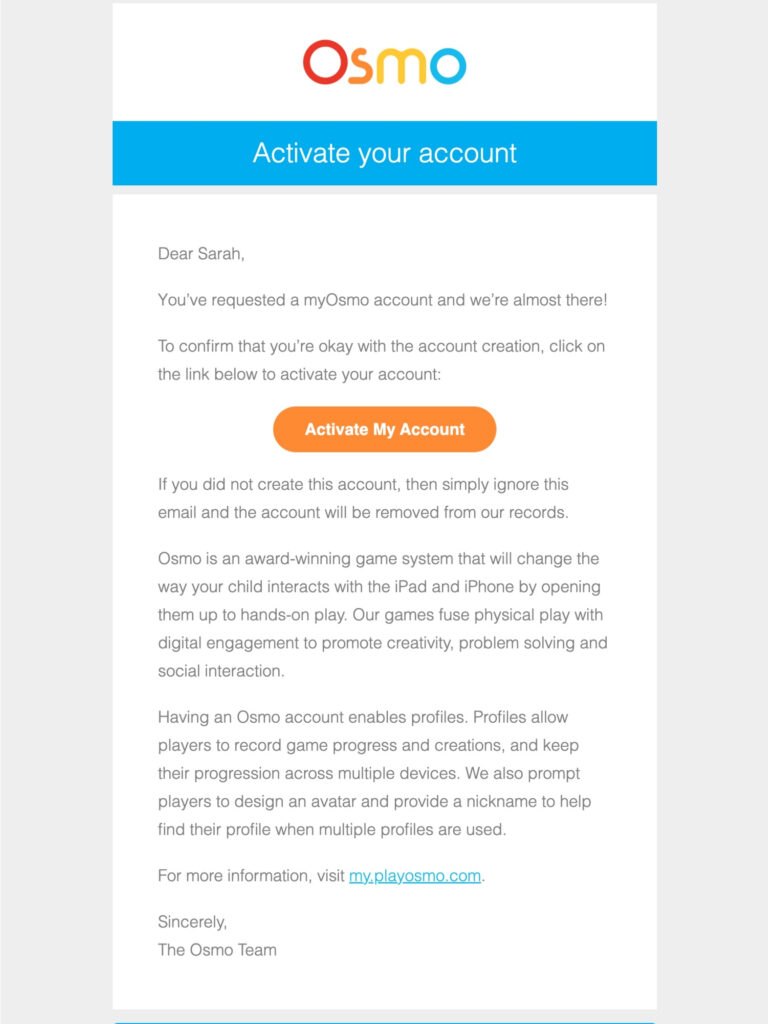
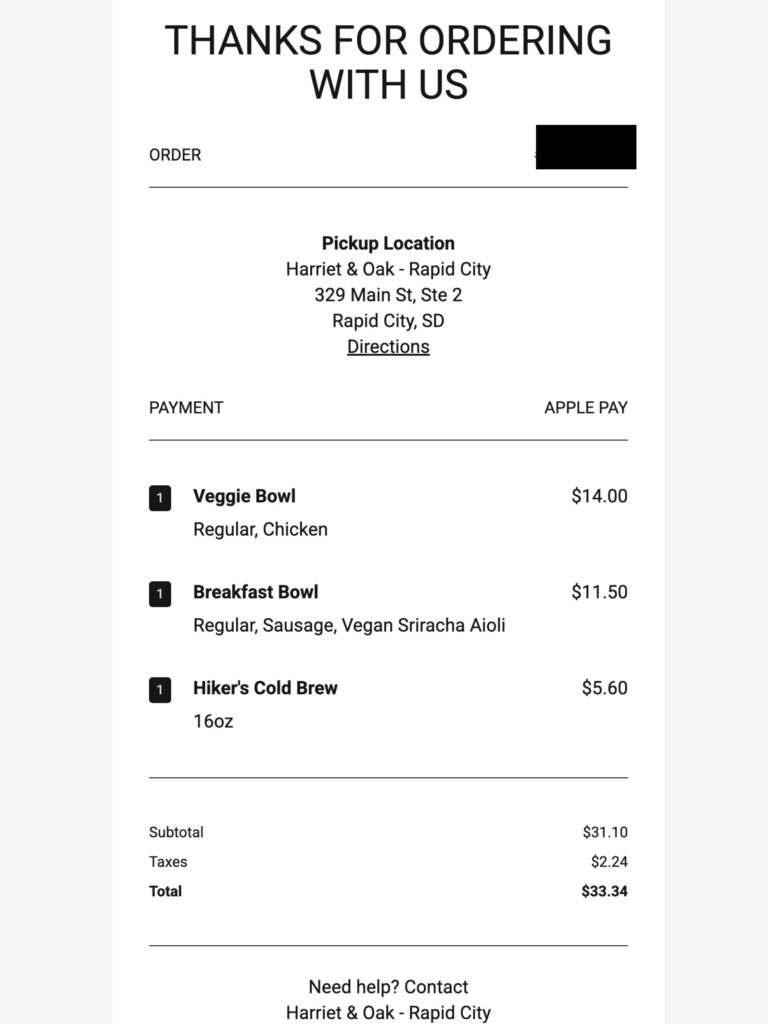
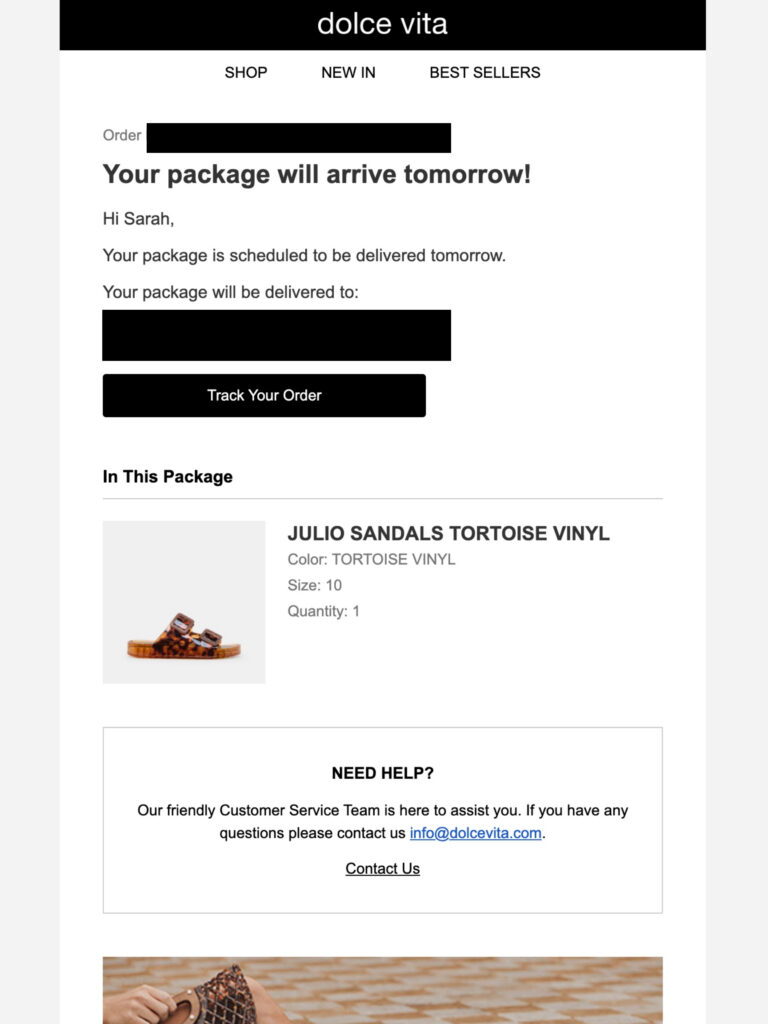
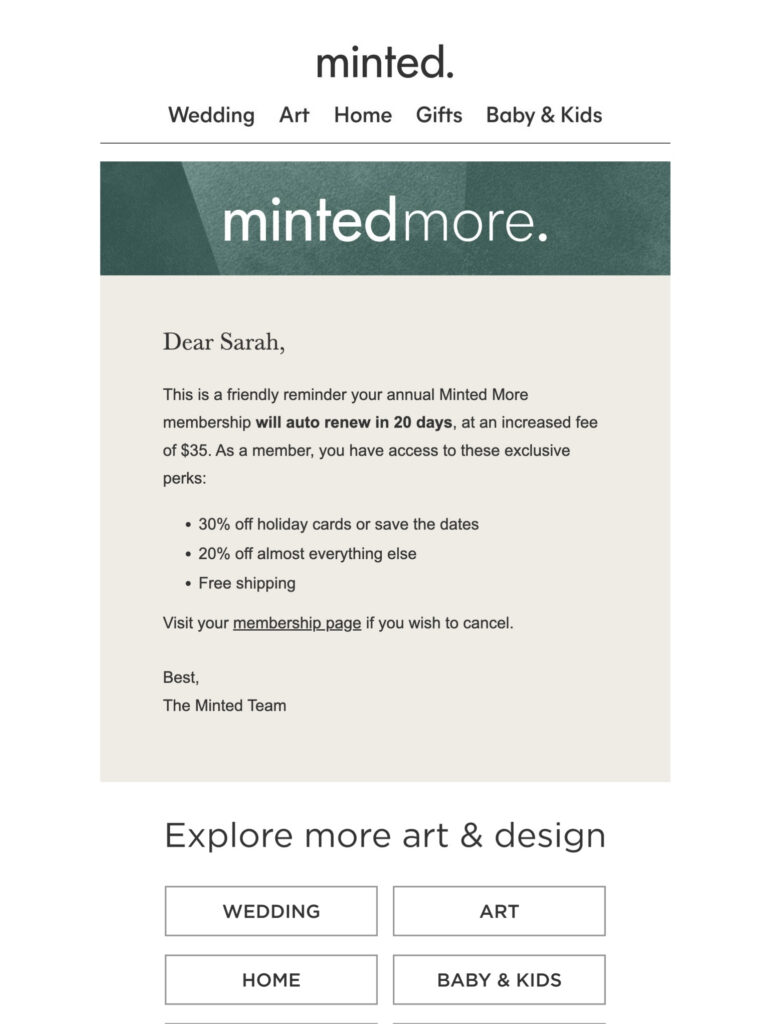
- A transactional email is a one-to-one message triggered by a specific action the recipient has already taken. It contains information that’s personal, immediate, and critical. Think of it as a direct line between you and one specific customer or client.
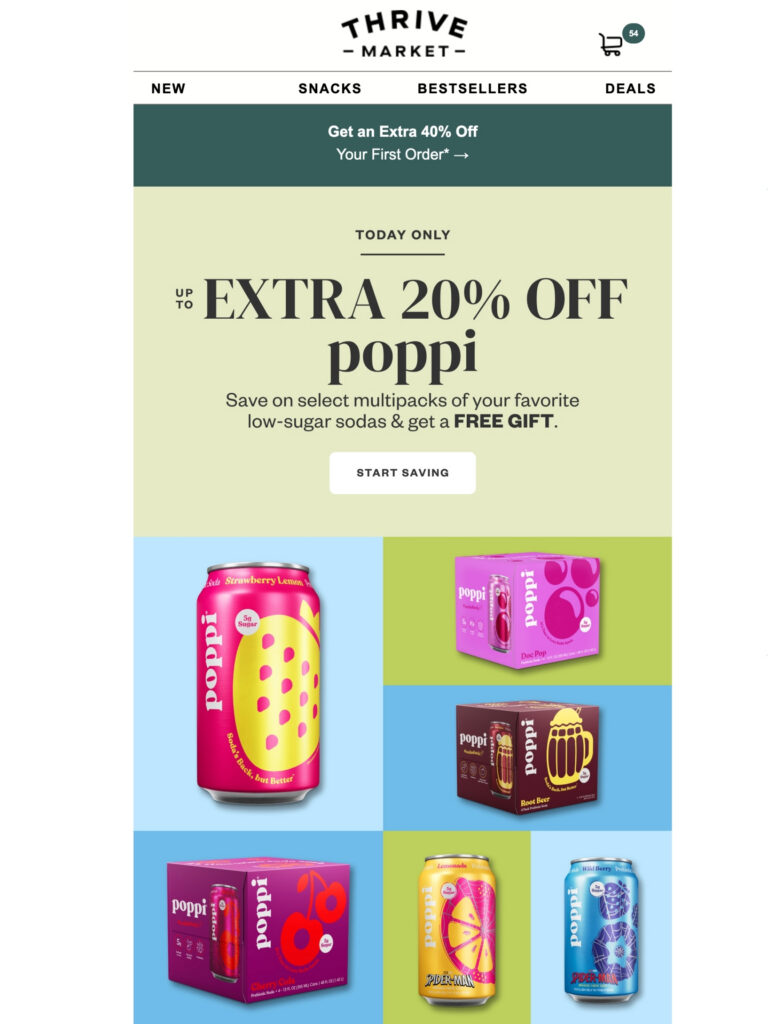
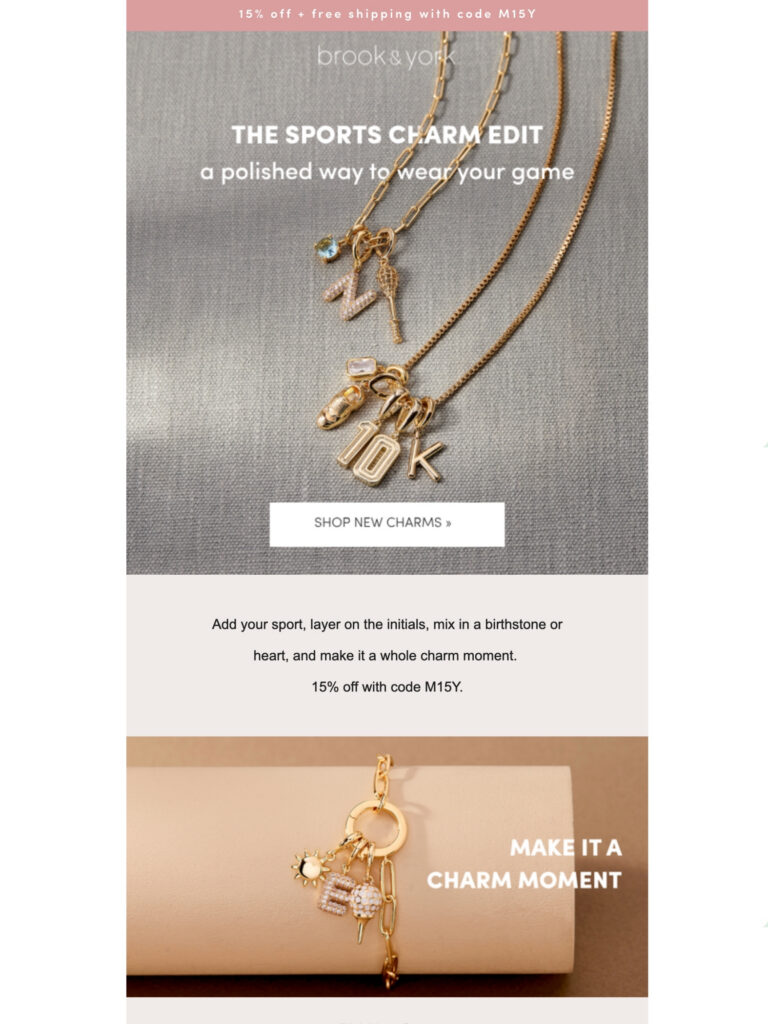
- A marketing email is a one-to-many message sent to a list of subscribers. Its goal is to drive awareness, engagement, or sales. Instead of being triggered by the customer, a marketing email is initiated by you.
Examples of Transactional Emails
- Order or booking confirmations
- Invoice reminders
- Payment receipts
- Abandoned cart emails
- Shipment notifications
- Appointment reminders
- Account or password updates
- Privacy policy changes
- Security alerts
- Product review requests
- Double opt-in emails
Examples of Marketing Emails
- Sales or promotions
- Newsletters
- Welcome emails
- Lead nurturing sequences
- Educational emails
- Re-engagement campaigns
- Offer launches
- Product or company news

3 Best Practices for Writing Marketing vs. Transactional Emails
Seed’s email blurred the line between these two categories so much, the message became unreadable.
Here’s what you can do differently.
1. Don’t Turn a Transactional Message Into a Marketing One
When a customer receives a transactional email, they’re in information-seeking mode.
They want to know: What happened? What do I need to do? Is everything okay?
Piling on referral CTAs, blog links, and reward program reminders doesn’t add value. It adds noise.
If you want to include a light promotional element in a transactional email — a referral link at the very bottom, for example — that can work. But it should never compete with the primary message.
Reduce friction wherever possible. Because the moment your customer has to hunt for the critical information, you’ve lost them.
2. Make the Transactional Message Crystal Clear
Seed’s subject line (“Another lunar rotation complete. 🌔”) is definitely on-brand…. and completely uninformative.
For a marketing email, that kind of intrigue works. For a transactional email, it’s a problem.
Transactional email subject lines should be descriptive, not clever. Your customer needs to know at a glance what this email is about.
A subject line like “Your Seed subscription renews today” or “Your next order ships [DATE]” would have saved me an unnecessary trip to my account dashboard.
Inside the email, personalization matters too. If your platform supports dynamic content, use it. Pull in the customer’s name, the specific product, the exact date and amount.
Generic copy (“Your subscription is renewing soon”) feels like a form letter. Specific copy (“Hi Sarah, your DS-01 3-Month Refill will be charged $134.97 on [DATE]”) is good customer service.
3. Make the Message About Them, Not You
Seed’s email was packed with things Seed wanted me to do: refer a friend, earn points, read its own content. Umm… what’s in it for me?
Your customer opened a transactional email because something relevant happened to their account. Serve that need first, last, and always.
A helpful, upbeat tone can go a long way. Tell them what they need to know in a way that’s simple and, if appropriate, fun.
Transactional emails can still have personality — as long as it doesn’t obscure the point. Seed’s “lunar rotation” language was creative. It was just poorly placed.
Whether you’re writing a transactional or marketing email, you should always use your distinct brand voice. Just make sure it doesn’t block out your message.
And make sure that message is about your customer, not you.
(Psst: Grab our free brand voice magazine to clarify what your brand voice is — and how to use it well!)
Want Help Writing the Right Message with the Right Tone?
Not sure if your client-facing emails are pulling their weight?
A copywriting VIP Day is a great way to audit, refresh, and rewrite the emails that matter most. See how we can craft the marketing copy you need in just one day!